Category: Commercial Electrical

  • The Hidden Cost of Electrical Downtime: How Preventative Electrical Maintenance Keeps Your Business Running

    The Hidden Cost of Electrical Downtime: How Preventative Electrical Maintenance Keeps Your Business Running

    Electrical downtime is one of the most expensive and disruptive problems a business can experience. Whether you operate a manufacturing facility, warehouse, engineering workshop, office or commercial premises, even a short loss of power can have significant financial consequences.

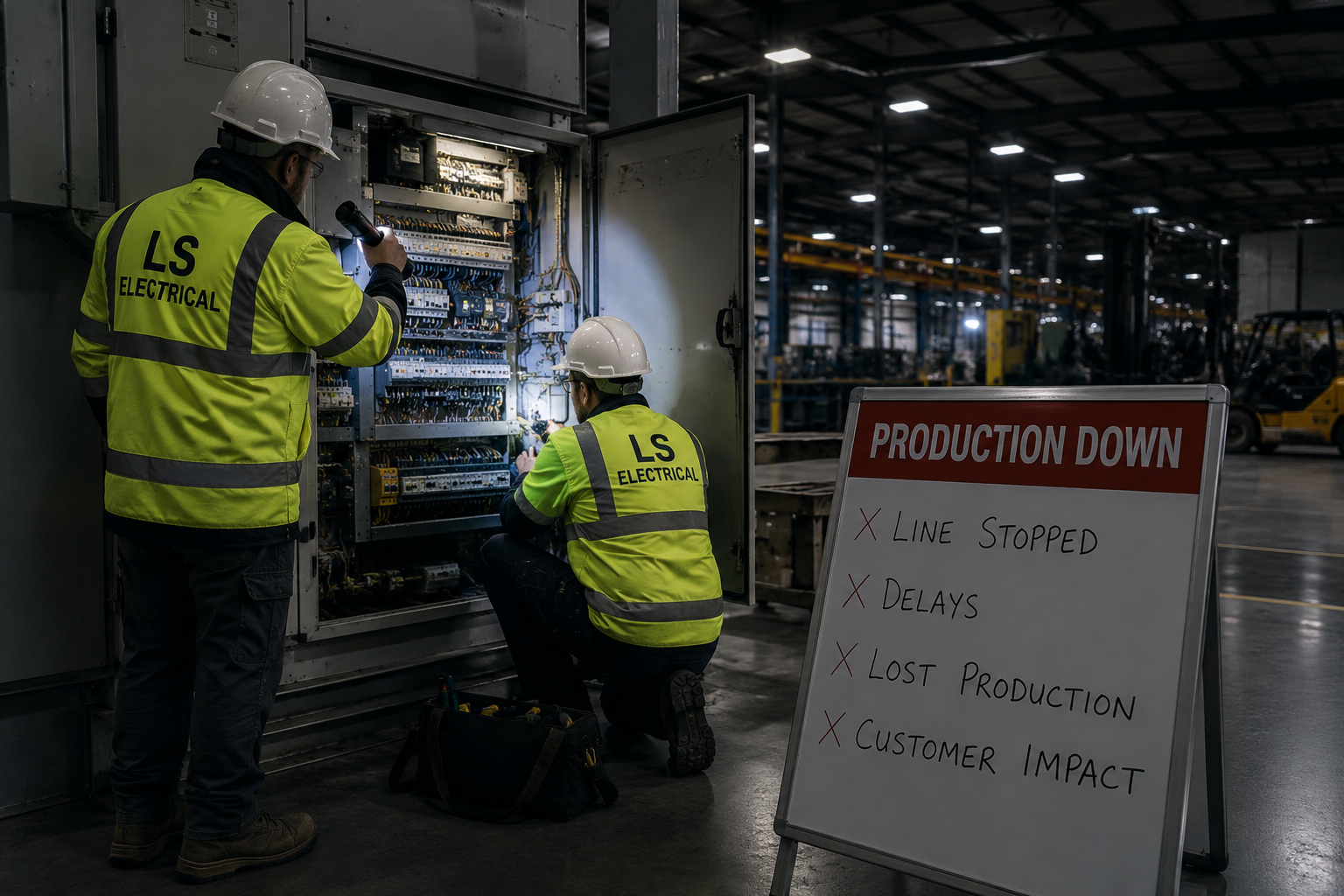
    The hidden cost of electrical downtime is often far greater than the cost of the electrical fault itself. For many businesses across Surrey, Hampshire and Berkshire, the true impact extends beyond the repair, with lost production, delayed deliveries, idle staff, damaged equipment and unhappy customers quickly outweighing the cost of preventative electrical maintenance.

    At LS Electrical, we help businesses reduce the risk of unexpected electrical failures through professional inspections, planned maintenance, electrical upgrades and rapid response support, helping keep your business operational and productive.

    The Hidden Cost of Electrical Downtime

    What Is Electrical Downtime?

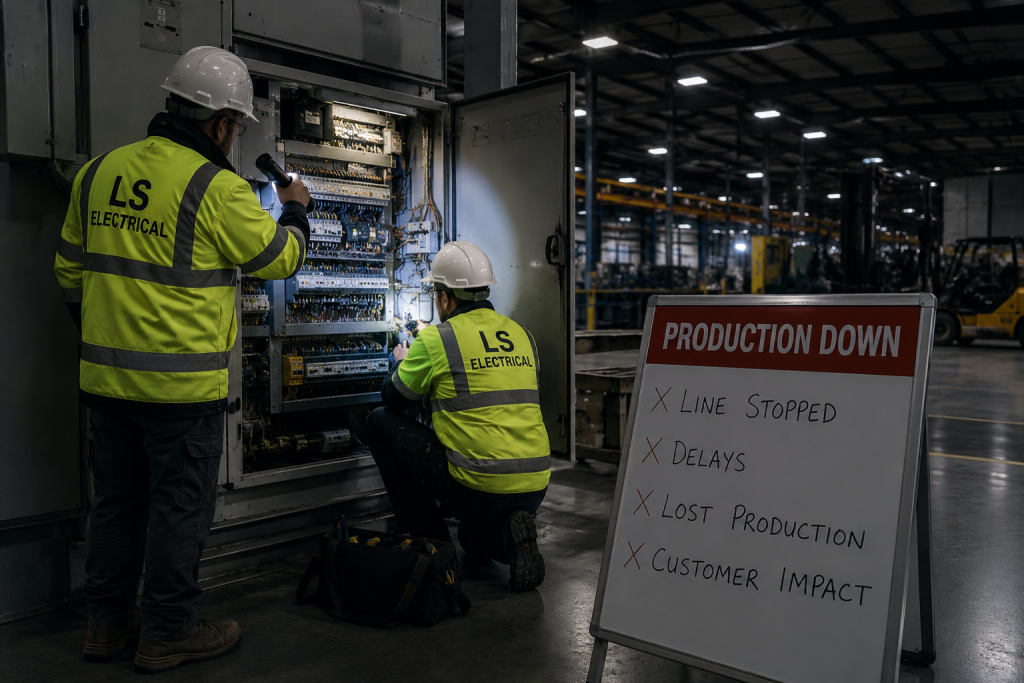
    Electrical downtime occurs whenever part or all of your electrical system prevents normal business operations. The Hidden Cost of Electrical Downtime often extends far beyond the immediate repair, affecting productivity, delivery schedules, staff efficiency and ultimately your bottom line.

    This could include:

    • Distribution board failures
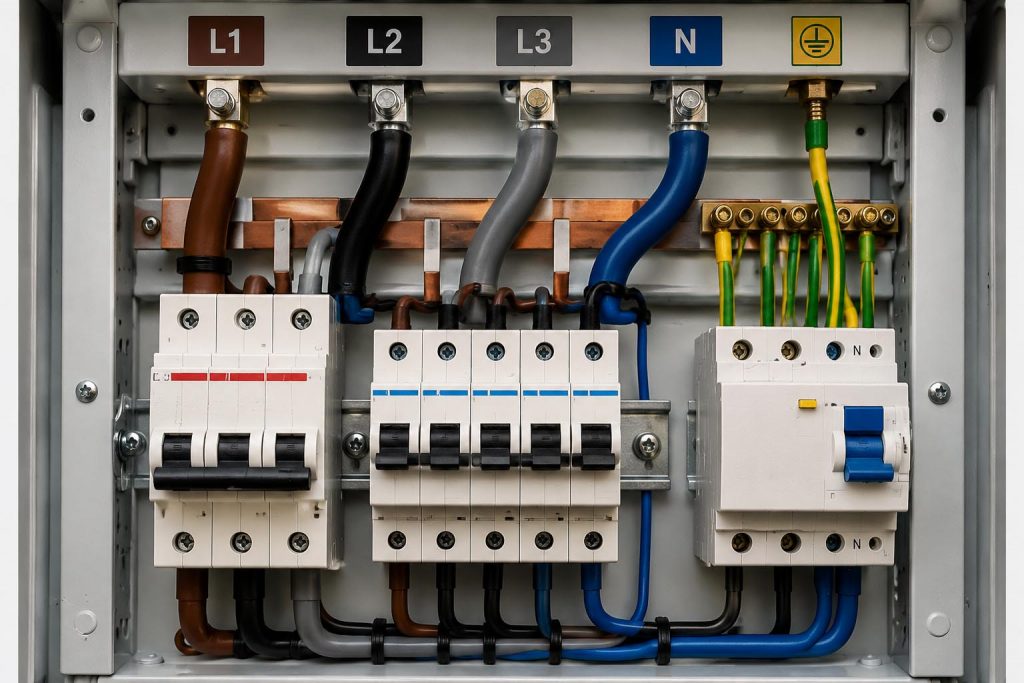
    • Three-phase power faults
    • Overloaded electrical circuits
    • Tripped protective devices
    • Equipment power failures
    • Damaged cabling
    • Failing switchgear
    • Faulty control panels
    • Emergency lighting failures
    • Unexpected power outages

    While some failures happen without warning, many develop gradually due to ageing equipment, loose electrical connections, inadequate maintenance or components approaching the end of their service life over months or even years and show early signs before becoming a major problem.

    The True Cost of Electrical Downtime

    Many businesses focus solely on the repair cost.

    In reality, the repair is often the smallest expense.

    The hidden costs can include:

    Lost Production

    For manufacturing businesses, every minute of downtime can reduce productivity and delay customer orders.

    Production schedules are disrupted, machines stand idle and operators wait while faults are investigated.

    Staff Downtime

    Employees remain on the payroll whether production is running or not.

    Electricians may only need two hours to repair a fault, but the loss of productive hours across an entire workforce can be far greater.

    Missed Customer Deadlines

    Late deliveries can damage customer relationships that have taken years to build.

    Repeated delays may result in lost contracts or financial penalties.

    Emergency Repair Costs

    Emergency call-outs often involve:

    • Out-of-hours labour
    • Temporary repairs
    • Replacement components
    • Production disruption
    • Additional contractor costs

    These costs are usually significantly higher than planned maintenance.

    Equipment Damage

    Electrical faults don’t just stop equipment.

    They can damage:

    • CNC machinery
    • Compressors
    • Production lines
    • HVAC systems
    • IT infrastructure
    • Automation equipment
    • Variable speed drives

    Protecting expensive equipment is often reason enough to invest in preventative maintenance.

    Common Causes of Electrical Downtime

    Many electrical failures share similar causes.

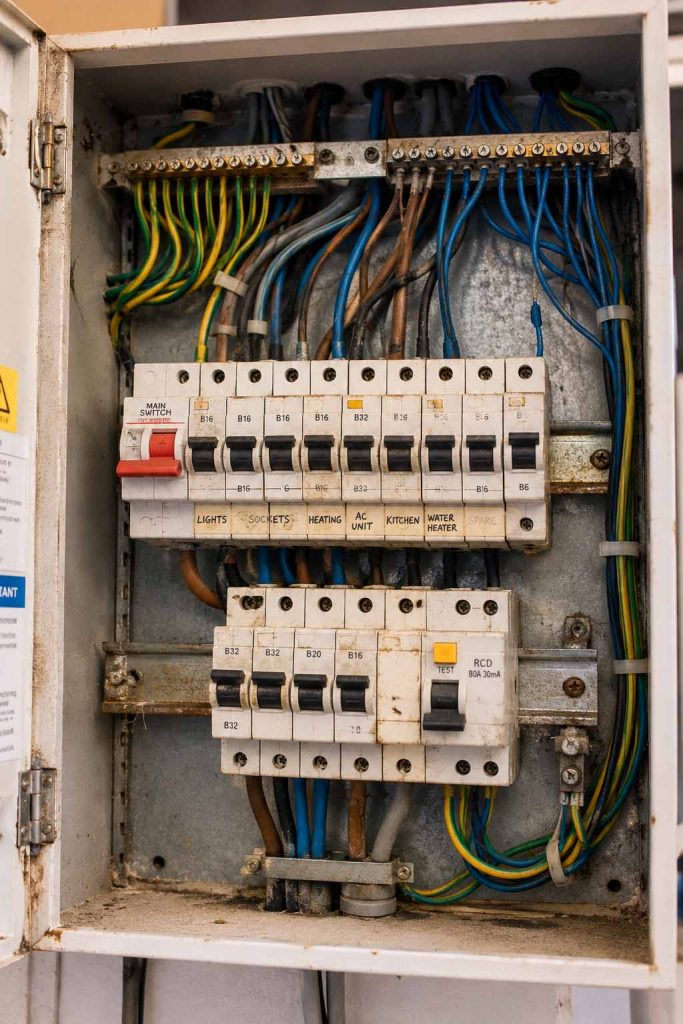
    Ageing Distribution Boards

    Older distribution boards may no longer provide the protection required for today’s electrical loads.

    Signs include:

    • Frequent tripping
    • Overheating
    • Corrosion
    • Limited spare capacity
    • Obsolete protective devices

    A distribution board upgrade can significantly improve both reliability and safety.

    Overloaded Circuits

    Businesses evolve.

    Additional machinery, air conditioning, EV chargers and new production equipment often increase electrical demand.

    Without reviewing the existing installation, circuits may become overloaded.

    Loose Electrical Connections

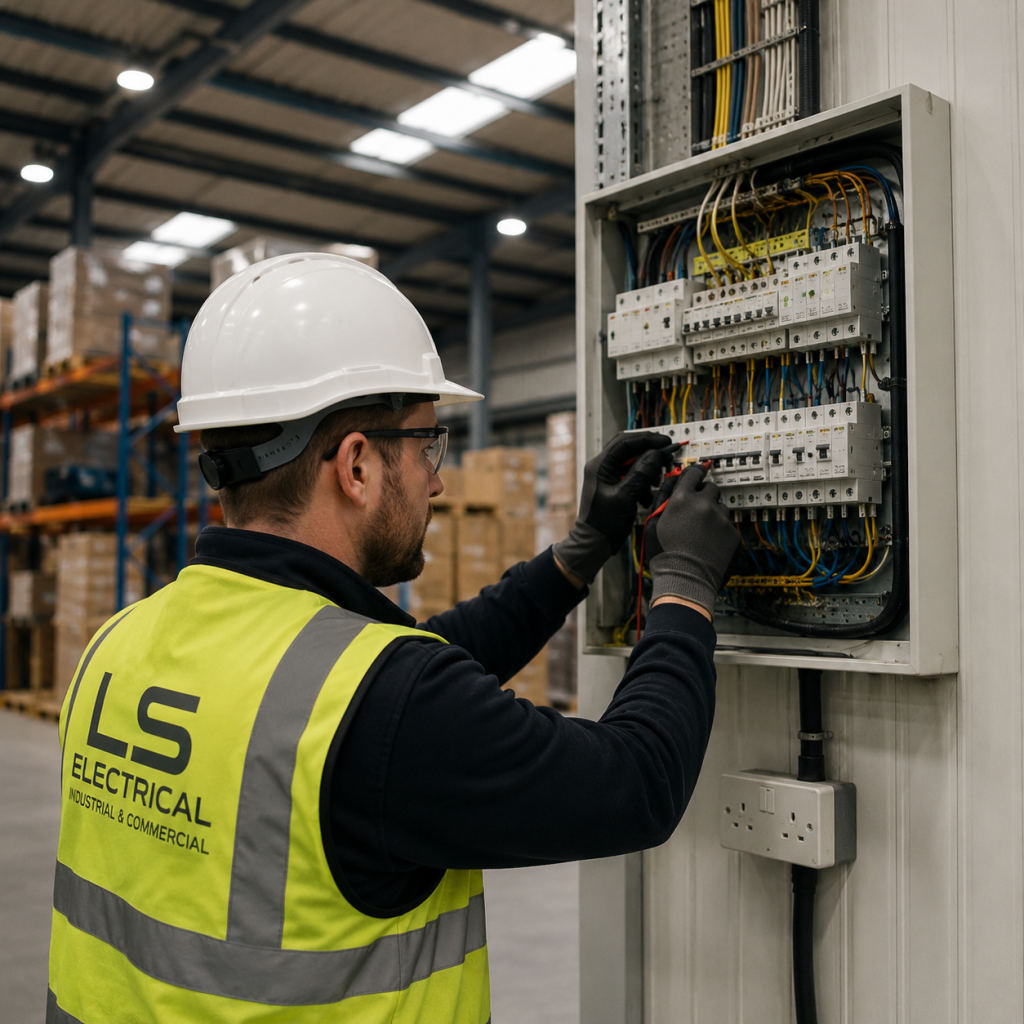
    Loose electrical connections are one of the most common causes of unexpected electrical faults and a significant contributor to The Hidden Cost of Electrical Downtime. Over time, vibration, heat and general wear can cause terminals to loosen, creating resistance that generates excessive heat.

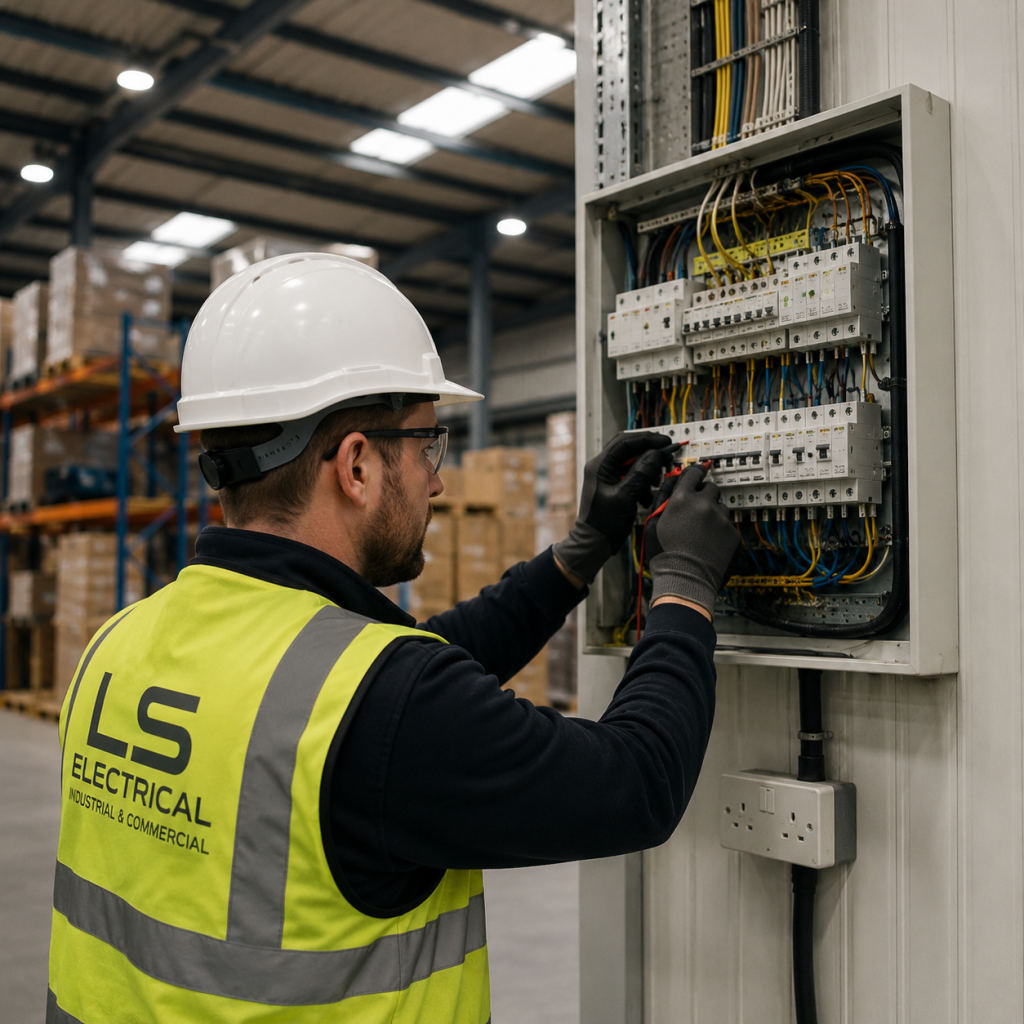
    Regular electrical inspections can identify these issues before they develop into equipment failure, production delays or an unplanned shutdown, helping businesses avoid costly disruption and maintain operational continuity.

    Poor Preventative Maintenance

    Electrical systems require regular maintenance to remain safe, reliable and efficient. Dust, vibration, moisture and everyday use all contribute to wear over time, increasing the risk of faults and The Hidden Cost of Electrical Downtime if problems go unnoticed.

    A planned preventative electrical maintenance programme helps identify potential issues before they interrupt your business, reducing the risk of costly emergency repairs, production delays and unexpected downtime while helping maintain business continuity.

    Why Preventative Maintenance Makes Financial Sense

    The cost of planned electrical maintenance is often a fraction of the cost of an unexpected failure.

    By carrying out regular inspections, testing and servicing, businesses can:

    • Reduce unplanned downtime
    • Improve electrical safety
    • Extend the life of electrical equipment
    • Reduce emergency repair costs
    • Improve business continuity
    • Help maintain compliance with current electrical regulations

    For many businesses, preventing just one electrical failure can more than cover the cost of an annual maintenance programme.

    Power outages aren’t always caused by electrical faults.

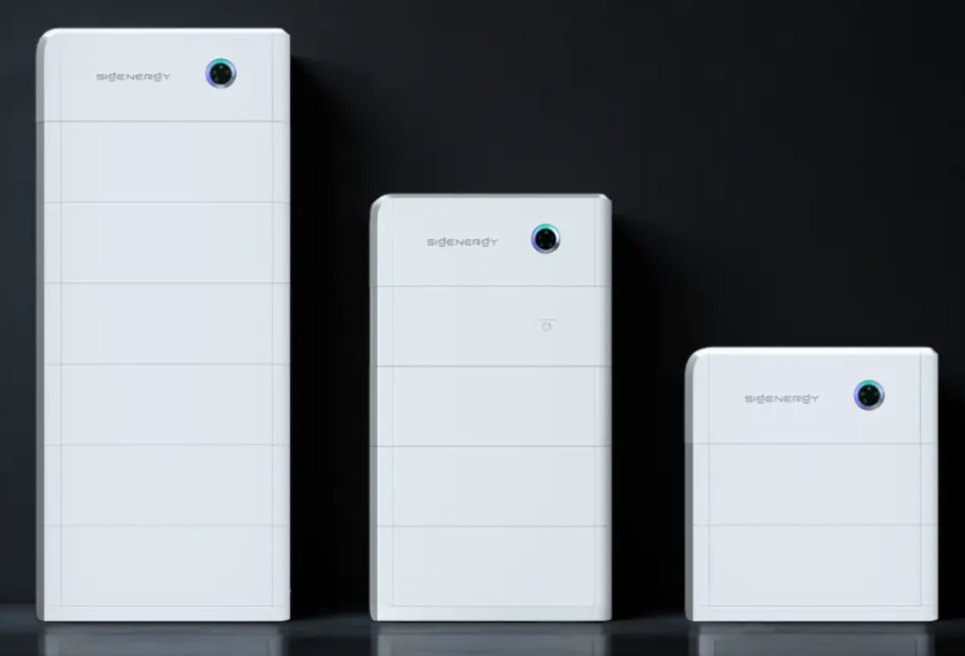
    Grid interruptions can also bring production to a halt. For businesses where continuity is critical, battery energy storage systems can provide backup power and keep essential equipment running during an outage. Our sister company, UK Green Energy Installations, specialises in commercial battery storage solutions.

    Ready to Reduce Electrical Downtime?

    Understanding The Hidden Cost of Electrical Downtime is only the first step. The most effective way to reduce the risk of unexpected electrical failures is through a planned preventative maintenance programme.

    LS Electrical provides commercial electrical maintenance, Commercial EICRs (Fixed Wire Testing), three-phase electrical services, distribution board inspections, fault finding and preventative maintenance for businesses across Surrey, Hampshire and Berkshire.

    Frequently Asked Questions

    What is electrical downtime?

    Electrical downtime is any period when an electrical fault prevents a business from operating normally. It may be caused by power failures, distribution board faults, overloaded circuits, damaged cabling or equipment failure. The Hidden Cost of Electrical Downtime can extend beyond the repair itself to include lost production, idle staff, delayed orders and customer disruption.

    How can businesses reduce electrical downtime?

    Businesses can reduce electrical downtime through planned preventative electrical maintenance. Regular Commercial EICRs (Fixed Wire Testing), distribution board inspections, fault finding and routine servicing can identify developing problems before they cause an unexpected shutdown.

    Is preventative electrical maintenance worth the cost?

    Yes. Preventative electrical maintenance is usually far less expensive than emergency call-outs, lost production, delayed customer orders and damaged equipment. Preventing just one unexpected electrical failure may more than cover the cost of planned maintenance and significantly reduce The Hidden Cost of Electrical Downtime for your business.

    What are the warning signs of electrical problems in commercial buildings?

    Common warning signs include circuit breakers regularly tripping, flickering lighting, overheating distribution boards, burning smells, buzzing electrical equipment and machinery unexpectedly stopping. These issues should be investigated promptly by a qualified commercial electrician.

    Does LS Electrical provide commercial electrical maintenance?

    Yes. LS Electrical provides commercial and industrial electrical maintenance, Commercial EICRs (Fixed Wire Testing), three-phase electrical services, distribution board upgrades and fault finding for businesses across Surrey, Hampshire and Berkshire.

  • Single-Phase vs Three-Phase Power: What’s the Difference for UK Businesses?

    Single-Phase vs Three-Phase – if you’re planning to expand your business, install new machinery or simply wondering whether your existing electrical supply is sufficient, you’ve probably come across the terms single-phase and three-phase power.

    Understanding the difference between single-phase vs three-phase power for UK businesses can help you make informed decisions, avoid costly delays and ensure your premises are ready for future growth.

    In this guide, we’ll explain how each type of electrical supply works, which businesses typically require three-phase power and when it may be worth considering an upgrade.

    Single-Phase vs Three-Phase

    What Is Single-Phase Power?

    Single-phase electricity is the standard electrical supply found in most UK homes and many smaller commercial premises.

    It is perfectly suitable for typical electrical demands such as:

    • Offices
    • Retail shops
    • Small cafés
    • Beauty salons
    • Small workshops
    • General lighting
    • Computers and office equipment
    • Standard heating and air conditioning

    For many businesses, a single-phase supply provides more than enough capacity for day-to-day operations.

    What Is Three-Phase Power?

    Three-phase electricity uses three alternating electrical currents instead of one, allowing power to be delivered more evenly and efficiently.

    Rather than providing short bursts of power, a three-phase supply delivers a more consistent electrical load, making it ideal for equipment that requires higher power or continuous operation.

    Businesses commonly using three-phase supplies include:

    • Manufacturing facilities
    • Engineering workshops
    • Warehouses
    • Distribution centres
    • Vehicle repair garages
    • Commercial kitchens
    • Factories
    • Agricultural buildings
    • Larger office buildings

    This is why many people search for “what businesses need three-phase power in the UK” when planning expansion.

    Single-Phase vs Three-Phase Power: The Key Differences

    Single-PhaseThree-Phase
    Standard for most homesCommon in commercial and industrial premises
    Lower power capacityHigher power capacity
    Suitable for light electrical loadsSuitable for heavy machinery and equipment
    Lower installation costsDesigned for larger electrical demands
    Ideal for smaller premisesBetter for expanding businesses

    Neither system is inherently “better”- the right choice depends entirely on your business’s electrical requirements.

    How Do You Know If Your Business Needs Three-Phase Power?

    Many businesses don’t think about their electrical supply until they encounter problems.

    Some common signs include:

    • Circuit breakers regularly tripping
    • Lights dimming when machinery starts
    • Installing commercial air conditioning
    • Purchasing large machinery
    • Adding EV charging points
    • Expanding production facilities
    • Increasing electrical demand year after year

    If any of these sound familiar, you may be searching for “does my business need three-phase electricity?”– a question that’s best answered through a professional assessment of your electrical installation.

    What Equipment Typically Requires Three-Phase Power?

    Many commercial and industrial systems perform best with a three-phase supply, including:

    • CNC machinery
    • Industrial compressors
    • Vehicle lifts
    • Commercial refrigeration
    • Large HVAC systems
    • Commercial kitchen equipment
    • Industrial pumps
    • Production machinery
    • Welding equipment
    • Large extraction systems

    Manufacturers often specify whether equipment requires a three-phase electrical supply before installation.

    Can You Upgrade from Single-Phase to Three-Phase?

    Yes. Many UK businesses successfully upgrade their electrical supply as they grow.

    The process often includes:

    • Assessing your current electrical installation
    • Calculating your electrical load requirements
    • Liaising with your Distribution Network Operator (DNO), where required
    • Installing or upgrading distribution equipment
    • Testing and certification

    Every property is different, so the exact process will depend on your existing electrical infrastructure and the capacity available in your area.

    Is Three-Phase Power More Efficient?

    One of the main advantages of three-phase power is its ability to distribute electrical loads more evenly.

    This can help:

    • Improve the performance of large motors
    • Reduce voltage fluctuations
    • Support higher electrical demand
    • Allow future expansion
    • Improve reliability for commercial operations

    While it doesn’t necessarily reduce your electricity bills on its own, it provides the infrastructure needed for businesses with greater power requirements.

    Could Renewable Energy Change Your Electrical Requirements?

    As more businesses look to reduce their energy costs and carbon footprint, many are investing in commercial solar PV systems, battery storage and workplace EV charging.

    While smaller solar installations can often be connected to a single-phase supply, larger commercial solar systems are frequently installed on three-phase electrical supplies. Three-phase power can help distribute the generated electricity more evenly across your premises and is often better suited to businesses with higher energy demands.

    If you’re planning renewable energy alongside an electrical upgrade, it’s worth considering both projects together. This can simplify the design process and help ensure your electrical infrastructure is ready for future expansion.

    Related reading: Commercial Solar Panels for Businesseshttps://www.ukgei.co.uk/commercial-installation-service

    Future-Proofing Your Business

    Many businesses only upgrade their electrical supply after encountering limitations.

    However, if you’re already planning:

    • A building extension
    • New machinery
    • Additional production lines
    • Commercial EV chargers
    • Larger HVAC systems
    • Warehouse expansion

    it’s worth considering whether your existing electrical supply will continue to meet your needs over the coming years.

    Planning ahead can often reduce disruption and help avoid costly alterations later.

    Learn More About Three-Phase Power Installations

    If you’re considering a three-phase electrical installation for your business, or simply want to understand what’s involved, we’ve created a dedicated guide covering the installation process, typical applications and key considerations.

    Frequently Asked Questions FAQs

    What is the difference between single-phase and three-phase power?

    LS Electrical Ltd – Single-phase power uses one alternating current and is commonly found in homes and smaller commercial premises. Three-phase power uses three alternating currents, allowing it to deliver higher and more consistent power for commercial and industrial applications. This makes it ideal for businesses operating machinery, large HVAC systems or higher electrical loads.

    How do I know whether Single-Phase vs Three-Phase power is right for my business?

    LS Electrical Ltd – The right choice depends on your electrical demand. If your business is installing heavy machinery, expanding production, adding commercial EV chargers or regularly experiencing overloaded circuits, a three-phase electrical supply may be the most suitable option. A qualified commercial electrician can assess your current and future requirements.

    Can I upgrade from Single-Phase vs Three-Phase power?

    LS Electrical Ltd – Yes. Many commercial and industrial premises can be upgraded from a single-phase to a three-phase electrical supply. The process will depend on your existing installation and may require coordination with your local Distribution Network Operator (DNO) before the electrical work can begin.

    Is Single-Phase vs Three-Phase power only relevant for factories?

    LS Electrical Ltd – No. While factories commonly use three-phase power, it is also found in warehouses, engineering workshops, vehicle repair garages, commercial kitchens, schools, healthcare facilities and larger office buildings. Any business with higher electrical demands may benefit from a three-phase supply.

    Is Single-Phase vs Three-Phase power more expensive?

    LS Electrical Ltd – A three-phase installation may involve higher initial installation costs, particularly if your existing supply needs upgrading. However, for businesses with significant electrical demands, it provides the capacity and reliability needed to support equipment safely and efficiently, making it a worthwhile long-term investment.

  • Commercial Electrical Maintenance: 7 Ways to Stay on Top of Your Commercial Electrical Infrastructure

    Commercial electrical maintenance becomes increasingly improtant as your business grows, and it’s easy to focus on new equipment, expanding teams or increasing production. One thing that’s often overlooked, however, is whether your electrical infrastructure is still capable of supporting your business safely and efficiently.

    Electrical systems rarely fail overnight. More often, problems develop gradually as additional equipment is added, temporary solutions become permanent, and routine maintenance is postponed.

    While it’s tempting to focus on keeping operations moving, cutting corners where electrical safety is concerned can increase the risk of equipment failure, downtime and, more importantly, put people at risk.

    The good news is that there are some straightforward checks every business can make to stay on top of their electrical infrastructure.

    Commercial Electrical Maintenance

    1. Has Your Business Outgrown Its Electrical Installation?

    Think back to when your premises were first occupied.

    Since then, have you added:

    • Additional computers or servers?
    • Air conditioning?
    • Machinery or production equipment?
    • EV chargers?
    • Kitchen appliances?
    • Warehouse equipment?
    • New office space?

    Every addition places greater demand on your electrical system. What was perfectly adequate five years ago may now be operating much closer to its limits.

    If you’re responsible for maintaining commercial premises, our Commercial & Industrial Electrical Services page explains the types of electrical maintenance, inspections and upgrades businesses should consider as they grow.

    2. Don’t Ignore Tripping Circuits

    A circuit breaker that trips occasionally isn’t necessarily a fault.

    A breaker that trips regularly is telling you something.

    Repeated tripping may indicate overloaded circuits, faulty equipment or a developing electrical problem. Resetting it without investigating the cause isn’t solving the issue.

    Depending on your premises, businesses may require Electrical Installation Condition Reports (EICRs), emergency lighting inspections, PAT testing or planned maintenance. You can learn more about these services on our Commercial Electricians page.

    3. Avoid the “One More Extension Lead” Mentality

    Extension leads are useful for temporary situations.

    Unfortunately, many businesses end up relying on them permanently.

    Multiple extension leads, trailing cables and overloaded adaptors can all indicate that your electrical installation no longer reflects how the building is being used.

    If extension leads have become part of the furniture, it may be time to review your power distribution.

    4. Commercial Electrical Maintenance: Keep Your Electrical Testing Up to Date

    Electrical testing isn’t simply about complying with regulations.

    Routine inspections can identify deteriorating components, damaged accessories and potential faults before they become costly failures.

    Depending on your business, this may include:

    • Electrical Installation Condition Reports (EICRs)
    • Emergency lighting testing
    • PAT Testing
    • Fire alarm inspections
    • Thermal inspections where appropriate

    Keeping accurate records also demonstrates a proactive approach to health and safety.

    5. Listen to Your Staff

    Employees often notice electrical issues long before they become serious.

    Pay attention to reports of:

    • Flickering lights
    • Warm sockets
    • Buzzing switches
    • Burning smells
    • Frequent breaker trips
    • Equipment behaving unpredictably

    Small issues today can become much larger problems if left unresolved.

    6. Think Beyond Compliance

    Passing an inspection doesn’t necessarily mean your electrical installation is ideally suited to your business.

    Ask yourself:

    • Is there enough capacity for future growth?
    • Are distribution boards clearly labelled?
    • Could downtime be reduced with planned maintenance?
    • Would improved lighting increase productivity?
    • Are power supplies suitable for new equipment?

    Electrical infrastructure should support your business, not limit it.

    7. Plan Before Problems Occur

    The best time to review your electrical installation isn’t after something fails.

    Scheduling periodic reviews allows businesses to identify improvements before they affect productivity, safety or business continuity.

    Whether you operate an office, warehouse, retail premises or industrial facility, staying ahead of electrical issues is usually more cost-effective than reacting to them.

    Why Proactive Commercial Electrical Maintenance Saves Businesses Money

    Many businesses only call an electrician when something stops working. Unfortunately, by that point the disruption has often already resulted in lost productivity, unexpected repair costs or even downtime for staff and customers.

    A proactive approach to commercial electrical infrastructure helps identify small issues before they become expensive problems. Regular inspections can reveal overloaded circuits, deteriorating wiring, ageing distribution equipment or lighting systems that are consuming more energy than necessary.

    For offices, warehouses, retail premises and industrial facilities, investing in preventative electrical maintenance is often significantly more cost-effective than dealing with emergency repairs or unplanned business interruptions. LS Electrical works with businesses throughout Surrey, Hampshire and Berkshire to help keep electrical systems safe, reliable and compliant.

    A Proactive Approach Pays Off

    Commercial electrical maintenance is something many businesses rarely think about – until it causes disruption.

    By carrying out regular inspections, addressing small issues early and ensuring your electrical installation keeps pace with your business, you can reduce risk, improve reliability and help create a safer working environment for everyone.

    Electrical safety isn’t about doing the minimum required to remain compliant. It’s about protecting your people, your premises and the future of your business.

    What qualifications should I look for in a commercial electrician?

    When choosing a commercial electrician, look for a contractor with recognised industry accreditations, appropriate insurance and experience working on commercial and industrial electrical systems. It’s also worth checking whether they are registered with a recognised Competent Person Scheme, such as NICEIC, which assesses contractors against recognised technical and safety standards. You can find out more about what NICEIC registration means on the official NICEIC website: https://www.niceic.com/.